Category: Consultation

  • SkyHills Casino Payment Methods and Processing Times

    For discerning players, understanding the intricacies of payment methods and processing times at SkyHills Casino is essential. This analysis will explore the various options available for high rollers, assessing their advantages and drawbacks in the context of withdrawal limits and exclusive gaming experiences. For comprehensive details, consider visiting the SkyHills Casino website.

    The Verdict

    SkyHills Casino presents a robust selection of payment methods tailored to high-stakes players. However, the efficiency of processing times and withdrawal limits can vary significantly across these options. Below, we will dissect the pros and cons of each method, ensuring that VIP players are well-informed about their financial transactions.

    The Good

    • Diverse Payment Options: SkyHills Casino offers a variety of payment methods, including credit and debit cards, e-wallets, and bank transfers, catering to the preferences of high rollers.
    • Fast Processing Times: E-wallet transactions typically boast processing times of under 24 hours, providing swift access to winnings.
    • High Withdrawal Limits: VIP players can enjoy withdrawal limits that reach up to £20,000 per month, significantly enhancing the experience for those who wager large sums.

    The Bad

    • Inconsistent Withdrawal Times: Despite the potential for fast processing, bank transfers can take up to 5 business days, which may frustrate players expecting immediate access to funds.
    • Wagering Requirements: Some payment methods may impose higher wagering requirements, typically around 35x for bonuses, limiting the ability to cash out winnings easily.
    • Fees on Certain Transactions: While many methods are fee-free, some players may incur charges on specific e-wallet transactions, detracting from their overall winnings.

    The Ugly

    • Limited Cryptocurrency Support: While cryptocurrency is gaining traction, SkyHills Casino’s offerings in this area are minimal, which may alienate players who prefer digital currencies.
    • Verification Delays: High rollers may experience delays during the account verification process, particularly when large sums are involved, leading to potential frustration.
    • Complexity in Payment Processing: The varying processing times and conditions for different methods can create confusion, particularly for those unfamiliar with the landscape of online gaming transactions.

    Comparison of Payment Methods

    Payment Method Processing Time Withdrawal Limit Fees
    Credit/Debit Card 2-5 Business Days Up to £5,000/week None
    E-Wallet (e.g., PayPal) Instant – 24 Hours Up to £20,000/month Possible
    Bank Transfer 3-5 Business Days Up to £10,000/week None
    Cryptocurrency Instant Limited None

    In summary, while SkyHills Casino provides a commendable array of payment methods suited for high-stakes players, the variances in processing times and potential fees necessitate a discerning approach. Players are encouraged to carefully consider their preferred payment method to optimize their gaming experience.

  • Why a Solana Browser Wallet Still Feels Like the Wild West — and How to Tame It

    Whoa!

    Okay, so check this out—I’ve been living in the Solana extension world for a while now, and somethin’ about it keeps surprising me. My first impression was pure excitement; transactions were fast and NFTs loaded instantly. Then reality set in: security choices matter, UX is uneven, and impostor extensions pop up like dandelions in spring. Initially I thought every wallet looked the same, but then realized the differences are in the small UX and security details that actually matter for daily use.

    Really?

    If you’re new, the jargon alone is enough to make your head spin. There are seed phrases, hardware integrations, token lists, and custom RPC endpoints—so much to juggle. On one hand it’s liberating to control your funds directly; on the other, it’s easy to accidentally approve a transaction you didn’t fully understand, which is scary. My instinct said: be careful, slow down, and test with tiny amounts first. Actually, wait—let me rephrase that: always test with tiny amounts before doing anything big.

    Here’s the thing.

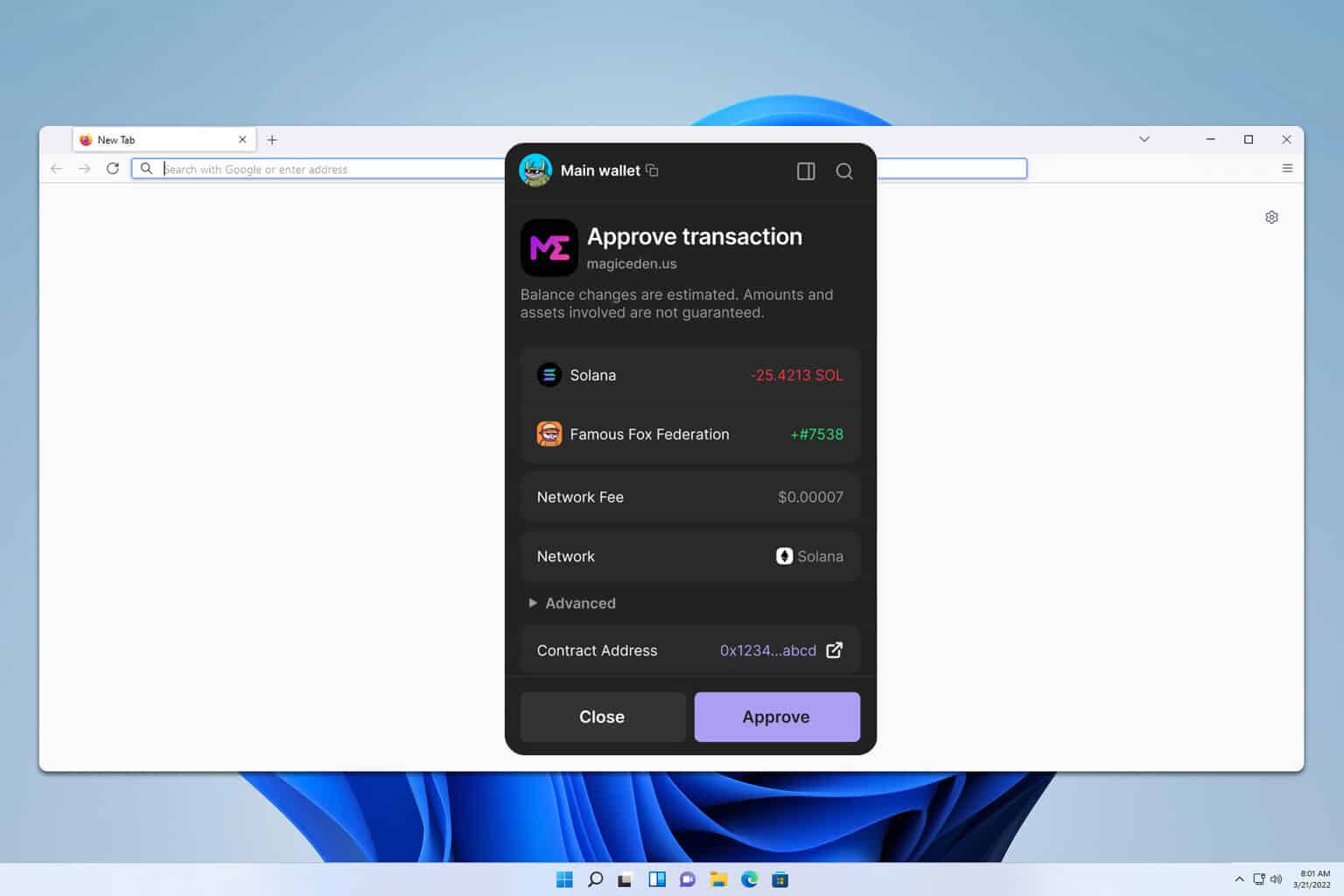
    Extensions are the most convenient on-ramps for interacting with DeFi and NFTs on Solana. They’re also the riskiest place because they sit in your browser, which means they can be phished or tricked by shady sites. I learned that the hard way once when I almost connected to a clone site—thankfully I caught it because the URL looked off. On the technical side, browser extensions like Phantom inject a provider into the page, which allows dApps to request signatures, but that privilege requires disciplined permissions management, which many users ignore.

    A browser tab showing a Solana wallet extension UI with a visible NFT collection and transaction history

    Choosing a Solana Wallet Extension

    Wow!

    Pick convenience or pick maximal security—rarely both at once. Most people want both; I get it, I’m biased too. If you care about NFTs and fast swaps, an extension that gives a slick UI and curated token lists will feel magical. Though actually, if you’re moving large sums, consider pairing the extension with a hardware wallet or at least keeping most funds cold.

    Hmm…

    Phantom is the most widely used Solana browser extension because it balances usability and solid security defaults. Its key features—simple onboarding, NFT gallery, integrated swaps—are meaningful for everyday users who value time and a clean interface. That said, you should always verify you installed the official extension; scammers make near-identical clones. For a safe install, I often point friends to the official source, which you can find here: phantom wallet download extension. One link, one trusted path—don’t get distracted by other search results.

    Seriously?

    Yes. Look for these checklist items before you hit “add to browser.” Check the publisher name, read the small print, and confirm reviews and download counts where available. Also examine the permissions the extension requests; a wallet shouldn’t need sweeping file permissions, for instance. If any step feels weird, pause and research—your gut is often right when something feels off.

    Security Habits That Actually Help

    Whoa!

    Write down your seed phrase on paper. Store it in two secure places. Don’t screenshot it—photos leak. These are medium-length rules but they save you from big headaches.

    Here’s what bugs me about the community: people treat a seed phrase like a password, but it’s passport-level access. On one hand, we celebrate censorship resistance and self-custody, which is great; on the other hand, that freedom comes with responsibility that many users underestimate. I’m not 100% sure everyone internalizes this, and honestly that scares me because recovering funds after a lost phrase is practically impossible.

    Hmm…

    Use a hardware wallet whenever possible for larger holdings, and use the extension for day-to-day interactions. If you pair Phantom with a hardware key, transactions require physical confirmation on the device, which dramatically reduces remote attack risks. Also, enable biometric unlock or password lock inside the extension to limit casual access on shared machines. But remember—security is layered and nothing is infallible, though good practices tilt the odds in your favor.

    NFTs, Royalties, and Gasless Perks

    Whoa!

    NFTs on Solana are fast and cheap, which is a big draw. The wallet UI that shows your collection matters. Some extensions show metadata inconsistently, so your rarities or whitelabel art might not appear right away.

    On the UX side, Phantom’s gallery makes curation easy, which is why collectors tend to prefer it. Transactions to list, buy, or transfer NFTs are typically one-click actions, though the dApp you’re interacting with might add complexity. Remember that signing a message or transaction can sometimes give a program permission to move tokens—pay attention to the exact approval scope, because some approvals are open-ended and could be exploited long after you clicked accept.

    Hmm… I’m biased, but

    this part bugs me: royalties and marketplace behavior vary. If you care about creators, check whether a marketplace enforces royalties or allows creators to be bypassed, because that impacts the ecosystem. Also, double-check whether a contract mandates one-time approvals that could later permit sweeping transfers; if so, revoke unnecessary allowances via trusted tools. It takes a few clicks but it’s worth it—very very important.

    Day-to-Day Tips for Smooth Use

    Really?

    Yes, little habits compound. Use a dedicated browser profile for crypto, for example. Keep your extension and browser updated.

    Here are practical moves I use daily: label accounts clearly, send a tiny test transaction before large transfers, and keep an eye on your activity log. If you plan to interact with unknown smart contracts, sandbox first with a small amount and consider using a throwaway wallet to gauge risk. On my laptop I have a “cold” wallet with most assets and a “hot” extension wallet for weekend NFT drops—works well.

    Hmm…

    Also, watch out for RPC endpoints. If a dApp suggests switching your node, understand why; some RPCs log requests and could be used to correlate activity across sessions. Prefer reputable public nodes, or run your own if you care about privacy. It’s a nerdy step, sure, but privacy leaks add up over time.

    FAQ

    Can I recover my wallet if I lose my seed phrase?

    Nope. Seed phrases are the sole recovery mechanism for most non-custodial wallets. If you lose it and you didn’t back it up elsewhere, recovery is nearly impossible. That’s why I say: backup twice, and keep one backup off-site in a safe place—like a safety deposit box or a waterproof safe.

    Is an extension wallet safe for NFTs and small trades?

    For small trades and casual NFT browsing, a reputable extension is generally fine. But keep limits in mind: use tiny test transactions for unfamiliar dApps, and don’t store life-changing sums in a browser-accessible wallet. If you plan to flip high-value NFTs frequently, combine the extension with hardware checks where possible.

    How do I spot a fake wallet extension?

    Check the publisher, verify the download link from an official source, read the extension permissions, and cross-check web searches for scam reports. If the install prompt seems overly intrusive or asks for unusual permissions, don’t proceed. And again—one official link is better than ten search results that look similar.

  • Il Rinascimento degli Indie: Analisi delle Strategie di Successo nel Mercato Videoludico

    Nell’odierno panorama dei videogiochi, il ruolo degli sviluppatori indipendenti ha assunto un’importanza crescente, sfidando i grandi colossi del settore con innovazione, creatività e approcci di mercato spesso più agili e mirati. Un esempio emblematico di questa tendenza è rappresentato da titoli come Chicken Road, che ha saputo catturare l’attenzione di un pubblico appassionato grazie a un gameplay originale e una narrazione coinvolgente.

    Il Fenomeno degli Indie: Innovazione e Risposta alle Esigenze del Mercato

    Secondo dati recenti, nel 2022 il settore indie ha generato circa il 20% delle entrate globali nel mercato videoludico, evidenziando un fenomeno di crescita sostenuta. Questa dinamica si basa sulla capacità di sviluppatori di nicchia di offrire esperienze autentiche e spesso più accessibili rispetto alle produzioni di grandi aziende. Tale trend ha portato a una maggiore diversificazione dell’offerta, con titoli che spaziano dai puzzle ai platformer, come nel caso di Chicken Road secondo capitolo recensione.

    Un’Analisi Approfondita di Chicken Road e il Suo Impatto

    Particolarmente interessante è il percorso di Chicken Road come esempio di gioco indie che ha saputo affermarsi grazie a una proposta ludica fresca e innovativa. La recensione disponibile al link sopra offre una panoramica approfondita sulle caratteristiche distintive di questo titolo, evidenziando:

    • Il suo design semplice ma coinvolgente, che attrae sia i giocatori casual che quelli più esigenti
    • Un sistema di livelli ben strutturato che stimola il rigioco e la sfida costante
    • Una colonna sonora che accomuna elementi tradizionali con sonorità moderne
    • La capacità di creare una community fedele e coinvolta attorno al brand
    Nota: La recensione dettagliata di Chicken Road secondo capitolo recensione permette di valutare con attenzione gli aspetti tecnici e narrative che stanno contribuendo alla crescita del titolo nel panorama indie.

    Strategie di Successo nel Mercato Indie: Casistiche e Tendenze

    Fattore Chiave Impatto nel Mercato Esempi Rilevanti
    Originalità del Concept Attrarre un pubblico differenziato, fidelizzazione a lungo termine Chicken Road, Among Us, Hades
    Community Engagement Supporto continuo, feedback ciclico per miglioramenti Stardew Valley, Hollow Knight
    Marketing Basso ma Mirato Risultati elevati con budget limitati grazie a social media e influencer Celeste, Ori and the Blind Forest

    Il Futuro degli Indie e il Ruolo delle Recensioni

    Sono le recensioni specialistiche e approfondite a conferire credibilità e visibilità ai titoli indie, tra cui spicca il contributo di piattaforme come quella dedicata alla recensione di Chicken Road. La prospettiva di un’analisi tecnica e narrativa consente ai potenziali acquirenti di fare scelte informate e di sviluppare una maggiore fidelizzazione verso titoli di nicchia, favorendo così la crescita di un ecosistema sostenibile e innovativo.

    La recensione di Chicken Road secondo capitolo recensione rappresenta un esempio di come un’analisi dettagliata possa influenzare positivamente la percezione pubblica e la diffusione del gioco, contribuendo al successo di altri indie.

    Conclusioni

    In conclusione, l’ascesa dei titoli indie come Chicken Road dimostra come innovazione, community e recensioni qualificate siano fattori determinanti in un mercato sempre più competitivo e frammentato. L’esperienza di questi titoli fornisce spunti di riflessione su come le strategie editoriali e di comunicazione possano favorire la crescita di un segmento videoludico in costante evoluzione, confermando il ruolo chiave delle piattaforme di recensione specializzate come questo punto di riferimento per gli appassionati e gli sviluppatori emergenti.

  • Designing Trust and Transparency in Sports Betting: The Role of Authentic Data and User Trust

    The global sports betting industry has experienced exponential growth over the past decade. As markets expand and new participants enter the arena, the importance of establishing and maintaining trust has become paramount. Unlike traditional gambling, where reputation was often built on brand recognition, modern consumers demand transparency, individualised insights, and credible data to inform their betting decisions. This evolution calls for a nuanced understanding of how operators can leverage truthful information and foster a community of informed bettors.

    The Challenge of Trust in the Digital Betting Ecosystem

    In an industry fraught with misinformation, inconsistent odds, and occasional lack of transparency, consumers are increasingly sceptical. Recent surveys indicate that over 60% of sports bettors consider credibility and honesty as the most influential factors when choosing a betting platform (Sports Betting Industry Report 2023). Betting operators often face scrutiny not solely for their odds or promotional tactics but for how transparently they communicate the probability of outcomes and the integrity of their data sources.

    “Trust is the foundation of long-term engagement in sports betting. Without credible, verifiable information, even the most innovative platform risks irrelevance.”

    The Power of Authentic Data in Shaping Betting Decisions

    Authentic, high-quality data serves as an essential pillar in creating a trustworthy betting environment. Industry leaders are investing heavily in data analytics, integrating real-time statistics, injury reports, weather conditions, and historical performance metrics. Such data, presented transparently, enables users to make informed choices rather than rely solely on luck or superficial odds.

    For example, platforms that provide comprehensive data visualisations and historical analyses empower bettors to understand the nuances of each event. This transparency not only enhances user experience but also reduces doubt, suspicion, and potential disputes over outcomes.

    Case Study: The Critical Role of Credible Data Providers

    Provider Data Accuracy Impact on User Trust Industry Recognition
    Opta Sports High – Professional-grade sports data Boosts confidence through reliability Widely adopted by premium bookmakers
    STATS Perform High – Real-time analytics and insights Enhances transparency with real-time updates Partnered with leading betting operators

    Despite technological advancements, the adoption of trustworthy data must be complemented by effective communication. This involves fostering user confidence not only through the data themselves but through the way they are presented and explained.

    Integrating User Feedback and Honest Opinions

    Consumer trust is further reinforced when operators actively solicit and publish users’ experiences. Transparency about betting odds, success rates, and customer feedback facilitates an environment where bettors feel valued and heard.

    Notably, some platforms are pioneering the practice of publishing institutional reviews and user testimonials. As part of that approach, some companies, such as BetFrost, focus on providing an honest opinion about their services, including challenges and improvements, fostering a culture of openness and continuous trust-building.

    Why Credibility Matters More Than Ever

    In an age of information overload, the betting consumer’s ability to discern credible from dubious sources directly influences their loyalty and engagement. Establishing a reputation as a transparent operator with authentic data, honest communication, and genuine user engagement is no longer optional—it’s imperative.

    With increasing legislation around gambling advertising and data protection, transparent operators will be better positioned to navigate regulatory landscapes and sustain consumer trust in the long term.

    Conclusion

    As the industry continues to evolve, integrating authentic data, fostering honest opinions, and prioritising transparency are key strategies for securing user trust and establishing a competitive advantage. Platforms that succeed in creating transparent, data-driven environments will not only attract dedicated bettors but also elevate the entire industry—setting a standard for integrity and credibility.

    For those seeking a credible perspective on betting experiences or evaluating platforms, assessing how operators incorporate data authenticity and honest opinions can be a vital part of making informed choices.

    In this context, platforms like BetFrost have distinguished themselves by openly sharing comprehensive insights and fostering transparency, exemplifying industry best practices in trustworthy online betting environments.

  • Why a multi‑chain Web3 wallet should feel like a Swiss Army knife — but act like a safe

    Whoa!

    I’m about to say something that sounds obvious, but it still surprises me how often it gets ignored: users want power and they want safety, not tradeoffs. My instinct said the market would converge on a single design pattern years ago, but the reality is messier. Initially I thought “one wallet to rule them all” would win, though actually, wait—different chains force different UX and security tradeoffs, and that complicates everything. Here’s the thing. Build the right mental model and the rest follows.

    Okay, so check this out—multi‑chain isn’t just “add networks” and be done. The UX has to reconcile asset visibility, transaction context, slippage protections, and permission management across chains that have wildly different semantics. And yes, that means simulation. Transaction simulation is not optional anymore for serious DeFi users; it’s a cornerstone. If you can’t preview state changes and see gas estimates that are realistic, you’re flying blind.

    Here’s what bugs me about most wallets: they show balances, but they rarely show intent. You click “Approve” and you have no idea what contract state will change. You sign a swap and the wallet happily burns your gas while you wonder why you got fewer tokens than expected. Somethin’ about that feels unacceptable now, in 2026. Developers say “we can’t simulate everything”—which is true—but good design narrows the unknowns. Hmm… that tension is where the product decisions live.

    On one hand, multi‑chain support must be deep: native gas handling, chain‑specific RPC fallbacks, event parsing, token metadata and contract ABIs. On the other, it must stay intuitive: one tap to switch networks, consistent permission UI, and clear warnings when a dApp requests cross‑chain operations. My gut says the winners will be those who hide the chaos under the hood while making risks explicit at the surface.

    Screenshot mockup of a multi-chain wallet showing transaction simulation results and permission prompts

    How a wallet actually makes DeFi safe and sane — and where dApp integration fits

    I’ll be honest: integration is messy. dApps talk to wallets through a few established patterns (WalletConnect, injected providers, custom connectors), but the real work is semantic alignment. When a dApp asks for an allowance, the wallet must display not just “Approve” but “What changes and why this matters.” That’s where simulation and intent analysis tie in. You need the wallet to run a dry‑run of the transaction using node traces or forked simulations, then translate the results for humans.

    Seriously? Yes. A static gas estimate is one thing. A simulated rune‑through of state transitions reveals reentrancy risks, sandwich vulnerability flags, and slippage paths. Advanced wallets surface those signals and offer mitigations: gas bump suggestions, permission scoping, and “simulate with safer routes” options. I like rabby for this because it layers transaction previews in a way that feels like a guardrail not a gate. The UI nudges you without nagging—very very important for adoption.

    Something felt off about earlier wallet UIs: they trusted users to be subject matter experts. That was a mistake. For pro users, details matter; for casual users, the defaults must be defensible. A good product offers an “expert mode” and a “safe mode,” and lets users transition between them without breaking the mental model. (Oh, and by the way—permissions should be revocable from the same place you viewed the approval.)

    Security design must be layered. Use local encryption, hardware‑wallet integration, and encrypted backups. Add behavioral layers: auto‑lock timers, suspicious‑tx heuristics, and optional human confirmation delays for large transfers. But don’t stop there. Permission management needs history and context: which dApp asked for access, when, and what addresses were affected. If you can track provenance, you reduce social engineering vectors.

    On the technical side, cross‑chain operations need deterministic simulation. That often means building a forked RPC environment that can run EVM traces, or calling sandboxed node endpoints for non‑EVM chains. Initially I thought that was overkill for a wallet, but the simulation ROI is undeniable: fewer failed txs, fewer refunds, and less support overhead. Actually, wait—let me rephrase that—it’s not just ROI, it’s user trust. People stop trusting if their transactions behave unpredictably.

    Privacy gets overlooked too. A good multi‑chain wallet lets you manage multiple identities and segregate dApp sessions. Why mix your governance addr with your marketplace wallet? You shouldn’t. Add coin control, address labeling, and optional privacy layers (like relayers or gas abstraction) and you’ve covered a lot of use cases. I’m biased, but I think identity separation is underpriced in most wallets.

    Bridges are another beast. Cross‑chain UX should indicate where liquidity lives, what the finality assumptions are, and the time windows for possible reorgs. Warn users about multi‑hop bridges and smart‑contract risks. The wallet should be opinionated here: recommend audited bridges, and grace users into safer flows by default. People hate being told “don’t do that,” so nudge instead.

    Alright, now about dApp integration patterns: an ideal wallet exposes a capabilities API, not a permission monolith. Let a dApp request “read balance” separately from “spend tokens.” Let users scope allowances to amounts and expirations. Provide a clean revocation flow. When a wallet and dApp share semantics like that, phishy approvals drop fast. That’s the product-level change that prevents a lot of rug pulls and phishing losses.

    Common questions from DeFi users

    How reliable are transaction simulations?

    They aren’t perfect, but they catch the things that trip up most users: gas misestimates, slippage surprises, and simple revert conditions. The simulation’s fidelity depends on RPC sources and whether it can run traces against the same chain state your tx will hit. Expect edge cases (oracle timing, MEV interactions) to remain tricky. Still, simulation reduces failed txs dramatically and gives you actionable mitigations.

    Can a wallet fully protect me from smart contract risk?

    No wallet can guarantee 100% protection against contract bugs or governance exploits. What it can do is raise the bar: flag risky patterns, limit approvals, simulate outcomes, and integrate hardware or social recovery options. Combine those with cautious dApp selection and layered permissions and you get a practical safety net—not invulnerability, but lots better than blind signing.

    On the product roadmap side, prioritize the features that reduce regret. Transaction simulation, permission scoping, and clear cross‑chain UI are the low hanging fruit that directly impact user outcomes. Then layer in advanced stuff: smart account support, session revocation, and on‑device signing policies. If you build this iteratively you keep users safe while shipping habit‑forming ergonomics.

    I’m not 100% sure about every design choice—tradeoffs always exist. For example, showing too much technical detail can overwhelm newcomers. On one hand you want full transparency; on the other, users need clear, actionable guidance. The trick is progressive disclosure: reveal complexity gradually, allow users to graduate to expert settings, and keep the defaults safe.

    Look, the future of multi‑chain wallets is less about brand and more about trust signals baked into the product. Simulation badges, permission timelines, and revocable allowances will be table stakes. Tools that make that trustworthy without being annoying will win the market. If you care about DeFi seriously, pick a wallet that treats transactions like contracts with consequences, not like push notifications.

    Finally, if you want a feel for how a modern wallet ties these ideas together, take a look at rabby. The approach of surfacing transaction previews while keeping permissions transparent is exactly the kind of design that moves the needle. Try it, poke around, and you’ll see why these features matter—fast.
  • Crash Games im digitalen Glücksspiel: Chancen, Risiken und Einsteigerleitfaden

    In den letzten Jahren hat sich die Welt der Online-Glücksspiele rasant weiterentwickelt. Besonders Crash Games haben aufgrund ihrer simplen Bedienung und unmittelbaren Gewinnmöglichkeiten bei einer breiten Nutzerzahl an Popularität gewonnen. Für Einsteiger, die sich in diesem spannenden, aber auch risikobehafteten Segment orientieren möchten, ist es essenziell, die Dynamik, Spielregeln und Risiko-Management-Strategien zu verstehen. In diesem Artikel beleuchten wir die wichtigsten Aspekte von Crash Games, ihre Rolle im modernen Glücksspielmarkt und bieten einen Crash Games Guide für Anfänger als zuverlässige Ressource an, um den Einstieg professionell zu gestalten.

    Was sind Crash Games? Ein kurzer Überblick

    Crash Games sind eine spezielle Kategorie von Online-Glücksspielen, bei denen Spieler auf den Zeitpunkt wetten, zu dem das Spiel „abstürzt“ oder „crasht“. Das Ziel ist, vor dem Crash-Au god zu cashen, während der Wert des Spiels noch steigt. Wird der richtige Zeitpunkt erwischt, führen präzise Entscheidungen zu hohen Gewinnen. Wird der Crash zu früh erkannt, können Verluste entstehen. Dieses Spielprinzip basiert auf einem multiplikativen Wachstumsfaktor, der in Echtzeit visualisiert wird, wodurch eine spannende Herausforderung entsteht.

    Mathematische Grundlagen und strategische Ansätze

    Hinter Crash Games liegen komplexe Zufallsmechanismen und mathematische Modelle, die auf sogenannten „Theoretisch Gewinnbringenden Strategien“ basieren. Dabei diskutieren Experten oft die sogenannte Martingale-Strategie, bei der Verluste durch Verdopplung der Einsätze ausgeglichen werden sollen. Allerdings zeigt die Praxis, dass Glücksspiele stets mit einem Hausvorteil verbunden sind, der langfristig Gewinne erschwert.

    Parameter Beispielwert Bedeutung
    Hausvorteil 5-10% Langfristige Gewinne des Anbieters
    Auszahlungsquote 95% Prozentsatz der Einsätze, der an Spieler ausgezahlt wird
    Maximale Gewinnlimit 10.000 EUR Grenze für den maximalen Gewinn pro Spiel

    Risiken und verantwortungsvolles Spielen

    Obwohl Crash Games schnelle Gewinne versprechen, bergen sie auch erhebliche Risiken. Das impulsive Setzen ohne eine klare Strategie kann zu erheblichen Verlusten führen. Die Volatilität solcher Spiele ist hoch, weshalb Experten stets auf das verantwortungsvolle Spielverhalten hinweisen. Es ist ratsam, nur Spielgelder zu verwenden, die man sich leisten kann zu verlieren, und Limits zu setzen.

    „In der Welt der Crash Games ist Disziplin der Schlüssel zum Erhalt der Kontrolle – nie den Grat des Glücksspiels überschreiten.“ – Prof. Dr. Markus Beck

    Der Einstieg für Anfänger: Das richtige Know-how

    Für Neueinsteiger empfiehlt es sich, die Spielmechanik umfassend zu verstehen, bevor Echtgeld eingesetzt wird. Das bietet auch die Möglichkeit, eine strategische Herangehensweise zu entwickeln, die auf einem soliden Verständnis der Spielregeln basiert.

    • Empfohlen wird, zunächst mit Spielgeld zu üben.
    • Verständnis für die Multiplikatoren und deren Einfluss auf die Gewinne.
    • Bewusstes Limitieren der Einsätze, um Verluste zu minimieren.

    Um den Einstieg zu erleichtern, stellt die Website hier einen ausführlichen Crash Games Guide für Anfänger bereit. Dieser Leitfaden bietet eine differenzierte Sicht auf die Spielstrategie, rechtliche Rahmenbedingungen und Empfehlungen für verantwortungsbewusstes Glücksspiel.

    Zukünftige Entwicklungen und Trends im Crash Gaming

    Mit der technologischen Weiterentwicklung und der Integration von Künstlicher Intelligenz (KI) könnten Crash Games künftig noch dynamischer und individueller gestaltet werden. Blockchain-Technologien versprechen mehr Transparenz und faires Spiel, was das Vertrauen in diese Plattformen stärken soll.

    Doch bei aller Innovation bleibt eines konstant: Das Risiko, das mit Glücksspielen verbunden ist. Die professionelle Herangehensweise an Crash Games, inklusive Kenntnis der Spielmechanik und verantwortungsvollem Verhalten, ist entscheidend, um Spaß und Sicherheit zu gewährleisten. Für eine vertiefte Betrachtung dieses Themas empfehlen wir den umfassenden Crash Games Guide für Anfänger, der eine fundierte Basis für einen verantwortungsvollen Einstieg bietet.

    Fazit

    Crash Games gehören zu den spannendsten, aber auch risikoreichsten Bereichen des digitalen Glücksspiels. Ein verantwortungsvoller Ansatz, gepaart mit fundiertem Wissen und strategischer Planung, ist essenziell für einen sicheren Spielverlauf. Die Ressourcen auf Fishroad sind eine wertvolle Hilfe für alle, die sich im Dschungel der Crash Games zurechtfinden möchten und den Einstieg mit einem soliden Fundament starten wollen. Es gilt, immer das eigene Spielverhalten im Blick zu behalten und junge Technologien verantwortungsvoll zu nutzen.

  • Why a Hardware Wallet Still Matters: A Practical Look at the Trezor Model T and Secure Bitcoin Storage

    Whoa! The room feels crowded with apps and passwords. Seriously? Crypto security never seems simple. My instinct said something felt off about default setups, and that feeling stuck. Initially I thought a single password would be enough, but then realized the attack surface is wider—far wider—than most newcomers imagine.

    Here’s the thing. Hardware wallets cut out a lot of common failure modes. They isolate private keys in a device that never exposes them to your phone or desktop, which is huge in practice. On one hand, you trust the device firmware; on the other hand, you remove a whole class of malware attacks that live on general-purpose computers and phones. Honestly, that tradeoff is the core benefit—simplicity by confinement, though it’s not perfect.

    Hmm… not every hardware wallet is the same. Some are tiny and cheap. Some are elaborate and expensive. The Trezor Model T sits in the middle with a touchscreen and open-source firmware, which I find reassuring because transparency matters when stakes are high. That said, transparency alone doesn’t guarantee perfect security; supply chain and user practices play big roles, too.

    Wow! Let’s get specific. The Model T supports native Bitcoin, segwit, and a long list of altcoins, and it integrates with hardened software stacks to keep signatures safe. Its touchscreen reduces reliance on a possibly compromised host for PIN entry, which is an architectural win since it minimizes host interaction for sensitive actions. But remember: if you buy a device from a dodgy source, the hardware could be tampered with—so provenance matters as much as specs.

    Okay, so check this out—buying direct or from a verified reseller reduces many supply-chain risks. Buy from official channels and verify tamper seals (yes, sometimes seals are imperfect), and keep receipts. If you want a convenient entry point on that, the trezor wallet pages link to official guidance and downloads, which helps avoid impostor builds and shady mirrors. Also, store the recovery seed offline from day one; not on cloud backups, not in a text file—offline and separated.

    I’m biased, but written seed backups are one of those sore spots that bugs me. People photograph seeds for convenience. They type them into password managers. They assume “oh, it’s fine.” My feeling is firm: treat the seed like a vault code. Physically inscribe it on something durable—steel preferred, paper minimal—and store shards in geographically separate, secure places if you have high value. On the flip side, too many layers of redundancy invite human error, so don’t overcomplicate the choreography.

    Hmm… a few operational best practices. Always initialize the device yourself, never accept a pre-initialized unit. Use a strong PIN and set up a passphrase (plausible deniability option) only if you understand the recovery implications—passphrases are not just “another password.” They create a derived wallet that will be unrecoverable without the exact passphrase string, which increases safety but also raises the bar for you to not forget it. Actually, wait—let me rephrase that: passphrases are powerful and dangerous, and you should plan for them like you would for a safe combination.

    Really? People still plug their hardware wallets into public or unknown machines without checking. Don’t do that. When you connect a hardware wallet to a compromised host, the host can show fake addresses or attempt social engineering, though the private key stays protected; the user is still the last defense for confirming transaction outputs. Use transaction verification features on the device display, and if a displayed address or amount looks off, stop—step away and check on another trusted machine. On a technical level, verify the device firmware against official signatures before use—it’s extra work but worth it for higher-value holdings.

    Something else felt off about backup strategies. Lots of folks try to split a seed across multiple digital locations, thinking redundancy is safety; ironically, that increases exposure. Better: use threshold solutions (Shamir Backup) or hardware-backed multi-signature setups when you have larger wealth, because those reduce single points of failure without multiplying exposure. For most users, a single, well-protected seed written on metal and stored in a safe is sufficient. On the other hand, multisig adds complexity, which can become a user-experience trap if not documented and practiced.

    Trezor Model T device beside a written recovery seed notebook

    How to Think About Threat Models

    Whoa! Start with who you worry about. Casual theft? Nation-state-level adversary? Your threat model dictates different choices. If you’re guarding modest amounts, protect against opportunistic thieves and phishing—hardware wallets plus good habits are overkill in the best way. If you’re defending serious sums, plan for multi-party custody, geographic separation, and regular audits of your recovery plan.

    On one hand, physical theft is straightforward to conceptualize; on the other hand, remote attacks via social engineering are subtle and insidious, and they scale. Consider cold storage for long-term holdings, and hot wallets for day-to-day spending, with the hot wallet funded minimally. That partitioning is simple but effective because it limits blast radius when something goes wrong.

    I’ll be honest—updating firmware always makes people nervous. It should. Firmware updates patch vulnerabilities and add features, but they also change the device codebase that you trust. Follow official update guides, verify signatures, and avoid updates from unknown sources. In practice, regular, careful updates are safer than ignoring them, though it’s reasonable to wait a short period to let the community vet major changes when protecting very large balances.

    FAQs about Using a Hardware Wallet

    Do I still need a hardware wallet if I use a password manager?

    Short answer: yes for significant holdings. Password managers protect credentials; hardware wallets protect private keys. They solve different problems. Use both—password managers for accounts and 2FA, hardware wallets for signing transactions securely.

    What happens if I lose my Trezor?

    Use your recovery seed to restore onto a new device. If you used a passphrase, you must supply the exact passphrase as well. That’s why secure, offline backup of the seed and rigorous passphrase handling are critical. Practice a recovery drill with a small amount first so you know the steps under pressure.

  • The Evolution of Digital Casual Gaming: Merging Entertainment and Risk

    Over the past decade, the landscape of digital entertainment has undergone a seismic transformation. From the early days of simple arcade titles to the sophisticated, multi-platform experiences available today, casual gaming has become a mainstay within the global entertainment industry. This evolution is characterized not only by technological advances but also by new forms of player engagement—particularly those that blend the thrill of gambling with interactive gameplay, often in contexts accessible to a broad audience.

    From Traditional Games to Interactive Experiences

    Casual gaming traditionally revolved around accessible titles like puzzle games, platformers, and card games that appealed to a broad demographic seeking brief, entertaining breaks. However, with the advent of web-based and mobile platforms, developers began to experiment with mechanics borrowed from gambling and betting environments, creating a hybrid form of entertainment that combines skill, chance, and instant gratification.

    One significant development has been the rise of “crash games,” which have gained popularity across various online betting platforms. These games simulate a multiplier that increases over time and challenge the player to cash out before the multiplier “crashes” — essentially a gamble on timing and risk management. While these are primarily gambling-oriented, their engaging mechanics and visual appeal make them attractive to a wider non-gambling audience, especially when stylized with zombie themes, comic aesthetics, or other compelling narratives.

    The Zombie Theme: A Catalyst for Engagement and Virality

    At the intersection of horror, comedy, and escapism lies the zombie genre—a perennial favourite that resonates across age groups and cultures. Zombie-themed games tap into fears, humour, and storytelling, providing a versatile backdrop for innovative gameplay experiences. When integrated with elements like crash mechanics, they create immersive environments that combine excitement with thematic coherence.

    An illustrative example of this fusion is the various zombie-themed casual titles that leverage engaging graphics and familiar tropes to attract players. These include features like resource management, wave-based survival, and quick reflex challenges—all set within apocalyptic worlds populated with zombies. Such titles often incorporate a mechanic similar to the “crash game with zombies,” where players navigate risk-reward scenarios amidst a zombie siege, heightening suspense and player investment.

    Credibility through Digital Innovation and Industry Insights

    Recent data illuminates the growing importance of gamified gambling features in mainstream entertainment. According to industry reports, products that blend casual gameplay with gambling mechanics, such as crash games, generate significant player engagement and increased session durations. For example, a 2022 report from the European Digital Gaming Association highlighted that approximately 45% of casual players are drawn to interactive mechanics that include elements of chance and risk management, often with thematic overlays like zombies or sci-fi scenarios.

    Zombie-themed crash game interface
    Screenshot of a zombie-themed crash game interface, illustrating how thematic elements enhance player engagement.

    For players seeking entertainment that balances risk with thematic fun, platforms like a notable example of the “crash game with zombies” provide immersive experiences that blur the lines between casino-style mechanics and casual gaming. These titles demonstrate industry innovation, leveraging high-quality design, storytelling, and community features to foster long-term engagement.

    Understanding the Appeal: Why These Games Matter

    • Accessibility and Simplicity: Easy to understand mechanics attract a wide player base without steep learning curves.
    • Community and Social Sharing: Features like leaderboards and multiplayer modes foster community interaction and virality.
    • Theme-Based Engagement: Zombie narratives evoke emotional reactions, increasing immersion and excitement.
    • Technological Enhancements: Real-time graphics, sound design, and mobile optimisation drive user retention.

    As this genre continues to evolve, industry analysts expect new innovations to integrate augmented reality, artificial intelligence, and personalised storytelling—further redefining what casual, thematic gambling-like experiences can deliver.

    A Final Reflection: The Future of Casual, Themed Gaming

    The integration of thematic narratives like zombies into mechanics reminiscent of betting and gambling reflects broader trends in the digital entertainment sector. These experiences offer an adrenaline rush combined with thematic engagement, appealing to players’ desire for thrill, escapism, and social interaction. While concerns around gambling regulation persist, the innovation within the casual gaming landscape, exemplified by sites featuring the “crash game with zombies,” highlights a shift towards more responsible and immersive entertainment forms.

    In conclusion, as the digital landscape matures, the lines between traditional gaming and gambling are increasingly blurred. The next wave of casual games will likely harness advanced storytelling, thematic depth, and innovative mechanics—delivering experiences that are both entertaining and ethically aligned with responsible gaming principles.

  • How to Play Slot at Online Casinos

    Playing slots at online casinos can be both thrilling and rewarding, especially for experienced players who focus on the math behind the games. Understanding Return to Player (RTP), bonus terms, and wagering requirements is crucial for maximizing your potential winnings. Follow this step-by-step guide to enhance your online slot gaming experience.

    Step 1: Registration

    To start playing slots, you first need to register at CasinoWays Casino. Here’s how:

    1. Visit the CasinoWays website.
    2. Click on the “Sign Up” button.
    3. Fill in your personal details: name, email, and date of birth.
    4. Create a strong password and confirm your email address.
    5. Verify your identity, if required, by providing documentation.

    Step 2: Claiming the Bonus

    Bonuses can significantly enhance your bankroll, but understanding their terms is vital. Follow these steps to claim your bonus:

    1. Check the promotions page for available bonuses.
    2. Review the bonus terms, including the **RTP** and **wagering requirements** (often around **35x** the bonus amount).
    3. Select the bonus you wish to claim and opt-in if necessary.
    4. Make a qualifying deposit as indicated in the bonus terms.
    5. Ensure you understand the maximum cashout limits associated with the bonus.

    Step 3: Choosing the Right Slot Game

    Not all slot games are created equal. Consider the following factors when selecting a game:

    • RTP Percentage: Look for games with an RTP of **96% or higher** for better returns.
    • Volatility: High volatility slots offer bigger wins but less frequently, while low volatility slots provide smaller, more consistent wins.
    • Theme and Features: Choose games that appeal to you, considering features like free spins and bonus rounds.
    Slot Game RTP (%) Volatility Bonus Features
    Starburst 96.1 Low Expanding Wilds
    Book of Dead 96.21 High Free Spins
    Gonzo’s Quest 95.97 Medium Avalanche Feature

    Step 4: Placing Bets

    Once you’ve selected a slot game, follow these steps to place your bets:

    1. Set your bet amount—most slots allow you to adjust your stake.
    2. Decide if you want to play with maximum bet for higher payouts.
    3. Click the “Spin” button to start the game.
    4. Monitor your balance and adjust your bets as necessary based on winnings and losses.

    Step 5: Understanding Wagering Requirements

    Before withdrawing your winnings, it’s essential to meet the wagering requirements. Here’s how to navigate this process:

    1. Review the specific wagering requirement for your bonus (e.g., **35x the bonus amount**).
    2. Track your progress by checking your balance and the number of wagers completed.
    3. Be aware of any game contributions to wagering (e.g., slots typically count **100%** towards this requirement).
    4. Make sure to fulfill the requirements within the stipulated time frame, often **30 days**.

    How to Withdraw Your Winnings

    After fulfilling the wagering requirements, it’s time to cash out your winnings:

    1. Log into your CasinoWays account.
    2. Navigate to the “Withdraw” section.
    3. Select your preferred withdrawal method (e.g., bank transfer, e-wallet).
    4. Enter the amount you wish to withdraw and confirm.
    5. Wait for the processing time, which can vary from a few hours to several days based on the method chosen.

    By following these steps, you can effectively play slots at online casinos while ensuring that you are making informed decisions based on RTP, bonus terms, and wagering requirements. Happy spinning!

  • Vertrauenswürdige Bonusangebote im deutschen Online-Glücksspielmarkt: Ein tiefer Einblick

    Der deutsche Markt für Online-Glücksspiele hat in den letzten Jahren eine rasante Entwicklung durchlaufen. Laut Branchenanalysen generierte die deutsche Glücksspielbranche im Jahr 2022 Umsätze in Höhe von über 5 Milliarden Euro, ein Anstieg von 20 % im Vergleich zum Vorjahr. Dabei spielen Bonusangebote eine zentrale Rolle bei der Akquisition und Bindung von Spielern. Ihre Angebotsqualität, Sicherheitsstandards und Transparenz sind jedoch entscheidend für das Vertrauen der Konsumenten.

    Warum sind Bonusangebote für deutsche Spieler so bedeutend?

    In einem regulierten Markt wie Deutschland, wo die Glücksspielaufsicht die Integrität der Anbieter überwacht, sichern Bonusrichtlinien sowohl den Spielerschutz als auch die Nutzererfahrung. Spieler, die sich auf der Suche nach attraktiven Bonusangeboten befinden, erwarten vor allem:

    • Klare Geschäftsbedingungen
    • Transparenz bei Umsatzbedingungen
    • Verlässlichkeit der Bonuszahlung
    • Sichere Plattformen, die persönliche Daten schützen

    Ein Beispiel für eine Plattform, die diese Kriterien erfüllen möchte, ist die Webseite bonuseria.games/de/. Hier können Nutzer geprüfte und aktuelle Bonusangebote entdecken, die auf Vertrauen und Transparenz setzen — eine Eigenschaft, die für deutsche Spieler immer wichtiger wird. Um die Glaubwürdigkeit zu unterstreichen, bietet die Seite die Möglichkeit, den gewünschten Bonus direkt und sicher zu commissionieren: jetzt bonus sichern.

    Standards und Regulierungen: Ein Blick auf die vertrauenswürdigen Anbieter

    Der Deutsche Glücksspielstaatsvertrag (GlüStV) hat 2021 die Rahmenbedingungen für Online-Glücksspiele verschärft, um Spieler vor unseriösen Praktiken zu schützen. Anbieter müssen strenge Kriterien erfüllen:

    Kriterium Voraussetzung Relevanz für Bonusangebote
    Sicherheitszertifizierungen SSL-Verschlüsselung, unabhängige Prüfstellen Schafft Vertrauen bei Nutzern
    Transparente Konditionen Offenlegung aller Bonusbedingungen Verhindert Irreführung
    Verantwortungsvolles Spielen Limits, Selbstsperrfunktionen Sichert nachhaltigen Spielkomfort

    Expertise durch Daten: Die Bedeutung geprüfter Bonusangebote

    Die Qualität eines Bonusangebotes lässt sich anhand von Kriterien messen:

    1. Umsatzanforderungen: Niedrige Anforderungen (<3x Bonusbetrag) sind für Spieler attraktiver und sorgen für weniger Frustration.
    2. Abdeckungsbreite: Boni, die auf verschiedene Spiele anwendbar sind, bieten höhere Flexibilität.
    3. Verfügbare Zeitfenster: Klare Fristen ermöglichen eine bessere Planung beim Einlösen und Spielen.

    Ein weiterer, zunehmend relevanter Faktor ist die Authentizität der Bonusquellen. Hier bietet bonuseria.games/de/ einen vertrauenswürdigen Marktplatz, der geprüfte Angebote zusammenführt. Für europäische Marktteilnehmer ist die Kenntnis solcher Plattformen essenziell, um nicht auf dubiose Anbieter hereinzufallen.

    Zukünftige Entwicklungen: Personalisiertes Bonusmanagement und Datenschutz

    Die Branche entwickelt sich zunehmend hin zu personalisierten Bonusangeboten, die auf das Spielverhalten der Nutzer zugeschnitten sind. Dabei bleibt der Datenschutz ein Kernprinzip.

    „Verbraucher vertrauen auf Anbieter, die transparent mit Daten umgehen und klare Nutzungsbedingungen kommunizieren.“ – Branchenanalyst, Online Gaming Insights 2023.

    Plattformen, die eine ausgewogene Mischung aus attraktiven Bonusangeboten und hohen Sicherheitsstandards wie jetzt bonus sichern bieten, sichern sich eine starke Marktposition und tragen zur nachhaltigen Etablierung eines verantwortungsvollen Glücksspiels bei.

    Fazit

    Im sich ständig wandelnden deutschen Markt für Online-Glücksspiele sind vertrauenswürdige Bonusangebote ein Grundpfeiler für Kundenzufriedenheit und Rechtssicherheit. Die Kombination aus regulatorischer Kontrolle, transparenter Kommunikation und geprüften Plattformen wie bonuseria.games/de/ hilft, den Markt für alle Beteiligten sicherer zu gestalten. Für Spieler bedeutet dies eine bessere Orientierung, mehr Sicherheit und schließlich ein verantwortungsvolleres Spielerlebnis.

    Wer auf der Suche nach genuine Bonusangebote ist, sollte stets auf Plattformen setzen, die Transparenz und Sicherheitsstandards priorisieren. Mit einem bewussten Einsatz und der richtigen Plattform im Rücken kann das Online-Glücksspiel durchaus eine verantwortungsvolle und unterhaltsame Erfahrung sein.