Okay, so check this out—multi-chain wallets aren’t just a buzzword anymore. Wow. They’re how most of us actually interact with DeFi today. At first glance a wallet is “just” a place to store keys. But dig in for five minutes and you see it’s also the UX layer between you and dozens of chains, bridges, dApps, and sneaky approval flows. My gut said we’d need a different approach than the old single-chain browser wallets, and honestly, that instinct has held up—mostly.
I’ve been living in browser-extension wallets for years now. Seriously? Yes. I remember juggling wallets when Polygon first took off, then hopping to BSC, Arbitrum, Optimism—too many popups, too many wrong networks. Something felt off about how approvals piled up, and how a single mis-click could be costly. Initially I thought more networks would solve everything; actually, wait—let me rephrase that: more networks solved liquidity and access, but not the core UX and safety problems. On one hand you get convenience; on the other, you get complexity that eats user attention.
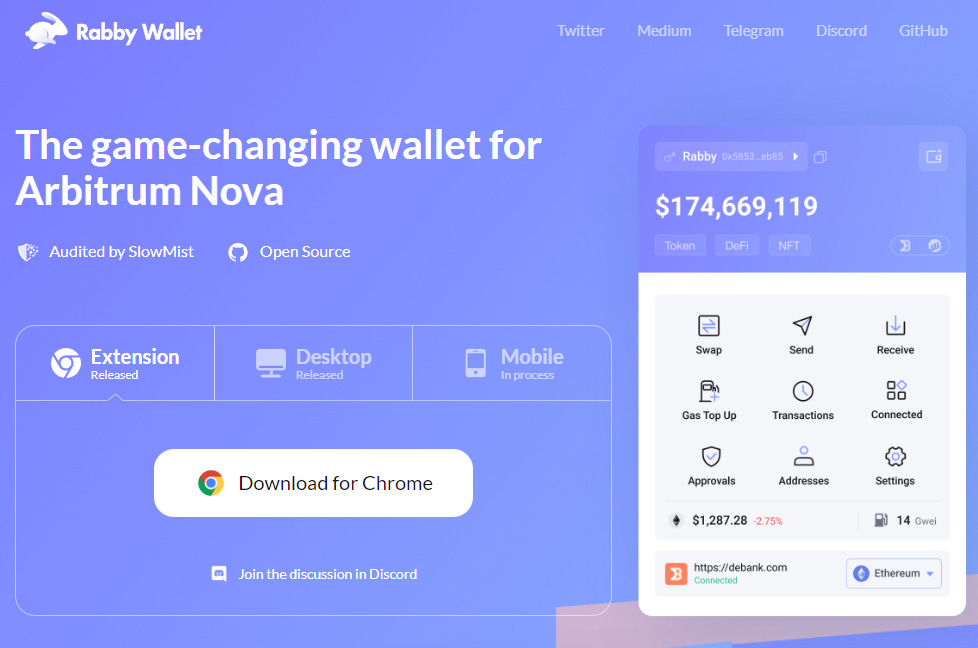
Rabby lands in that tension: it’s a browser extension designed for people who live across chains and want sane defaults. I’m biased, but it fixes a lot of the friction—better transaction previews, clearer approval controls, and a focus on safety-first behavior. Oh, and by the way… if you’re ready to try it, here’s a straightforward place to get it: rabby wallet download.
What “multi-chain” actually changes for everyday DeFi use
Short version: it reduces context switching and makes approvals less dangerous. Longer version: a multi-chain wallet treats networks as first-class citizens rather than as an afterthought, which matters because every chain has its own risks, fee dynamics, and UX expectations. Medium sentences here are helpful for clarity.
Think about swapping. On Ethereum mainnet you tolerate higher gas but get better security guarantees. On a rollup you expect near-zero fees and different confirmations. A good multi-chain wallet detects and displays those differences clearly, and it helps you avoid accidentally sending large transactions on the wrong chain. My instinct said that would be obvious, but many wallets still hide that info. That part bugs me.
Another big win: approvals management. Most hacks start with an unlimited token approval left open to a malicious contract. Rabby gives a native approvals manager where you can set allowances, revoke old permissions, and see which contracts have access to which tokens—all without piecing together the info from third-party dashboards.
On the downside, more features can mean more surface area. There’s a tradeoff between power and simplicity. I like power; others want one big button that says “go”. On the other hand, power without clarity is dangerous. So the sweet spot is power with guardrails, and that’s what I watch for when testing wallets.
Practical features that matter (and why)
Here are features I find genuinely helpful, not just shiny checklist items. Short, then medium, then longer thought.
– Network-aware gas estimation: you should know expected fees and whether a transaction will use L1 or L2 liquidity.
– Clear contract source info: who deployed the contract, is it verified, has it been audited? This isn’t foolproof, but it’s a start.
– Per-contract allowance management: infinite approvals are convenient, but revoking or limiting them is a must. Rabby surfaces this in the UI so it’s not buried.
– Transaction simulation or readable previews: show the token flows, the value changes, and flag potential sandwich attack risk or slippage issues. Complex transactions deserve readable breakdowns; users shouldn’t need to decode calldata to feel safe.
– Account abstraction & smart accounts support: ok, not all users need this yet, but as smart contract accounts become common, wallets that support them will make onboarding smoother—and that matters for broad DeFi adoption.
I’ll be honest: no wallet is perfect. There’s always an edge case. But feature choices matter more than feature counts. A lean, thoughtful implementation beats a feature bag with confusing labels every time.
FAQ
Is a browser extension wallet safe to use for large amounts?
Short answer: use hardware keys for significant sums. Medium answer: browser wallets are convenient and can be secure if you follow good practices—use a strong seed, enable any protective features the wallet offers (like phishing detection or transaction previews), and connect a hardware signer for big trades. Longer thought: the browser environment is inherently more exposed to web-based attacks than cold storage; combine layers—extension + hardware + careful site hygiene—and you’ll reduce risk considerably.
How does Rabby handle approvals differently?
Rabby gives an approvals manager in the extension so you can see and revoke token allowances without external tools. It also warns you about unlimited approvals and provides one-click revert options. That immediacy changes behavior—users tend to be more cautious when the UI makes permission management easy, which is a small but meaningful UX shift toward safety.
Here’s another practical tip: test with small amounts first. Seriously. Use a tiny transfer, confirm the flows, then scale up. My first time bridging tokens I skipped that step and learned the hard way—costly lesson. So do the micro-test. It saves tears.
On a cultural note, US DeFi users tend to prefer direct control over custodial simplicity. We value being able to inspect and decide. That shapes which wallet features gain traction here: transparency, brevity, and clear failsafes. Rabby leans into transparency in the extension UX, which matches that local preference.
Talking about UX—there’s a social friction point I keep running into. People assume tokens and approvals are obvious. They’re not. Wallets that educate without patronizing will win long-term. They need to say: “This is what you’re approving, this is who can move your tokens, here is the risk.” When a wallet does that well, users feel more confident. And confidence encourages experimentation, not paralysis.
Final note: the future is fragmented. More chains, more specialized rollups, and more smart-account abstractions are coming. You can either fight that complexity or build guardrails into the tools people use. I prefer tools that meet users where they are and help them level up safely. Rabby is one of those tools worth trying if you live in the multi-chain world—and again, if you want to give it a spin, here’s the link for a quick start: rabby wallet download.
Leave a Reply