Whoa!
Okay, so check this out—I’ve been living in the Solana extension world for a while now, and somethin’ about it keeps surprising me. My first impression was pure excitement; transactions were fast and NFTs loaded instantly. Then reality set in: security choices matter, UX is uneven, and impostor extensions pop up like dandelions in spring. Initially I thought every wallet looked the same, but then realized the differences are in the small UX and security details that actually matter for daily use.
Really?
If you’re new, the jargon alone is enough to make your head spin. There are seed phrases, hardware integrations, token lists, and custom RPC endpoints—so much to juggle. On one hand it’s liberating to control your funds directly; on the other, it’s easy to accidentally approve a transaction you didn’t fully understand, which is scary. My instinct said: be careful, slow down, and test with tiny amounts first. Actually, wait—let me rephrase that: always test with tiny amounts before doing anything big.
Here’s the thing.
Extensions are the most convenient on-ramps for interacting with DeFi and NFTs on Solana. They’re also the riskiest place because they sit in your browser, which means they can be phished or tricked by shady sites. I learned that the hard way once when I almost connected to a clone site—thankfully I caught it because the URL looked off. On the technical side, browser extensions like Phantom inject a provider into the page, which allows dApps to request signatures, but that privilege requires disciplined permissions management, which many users ignore.
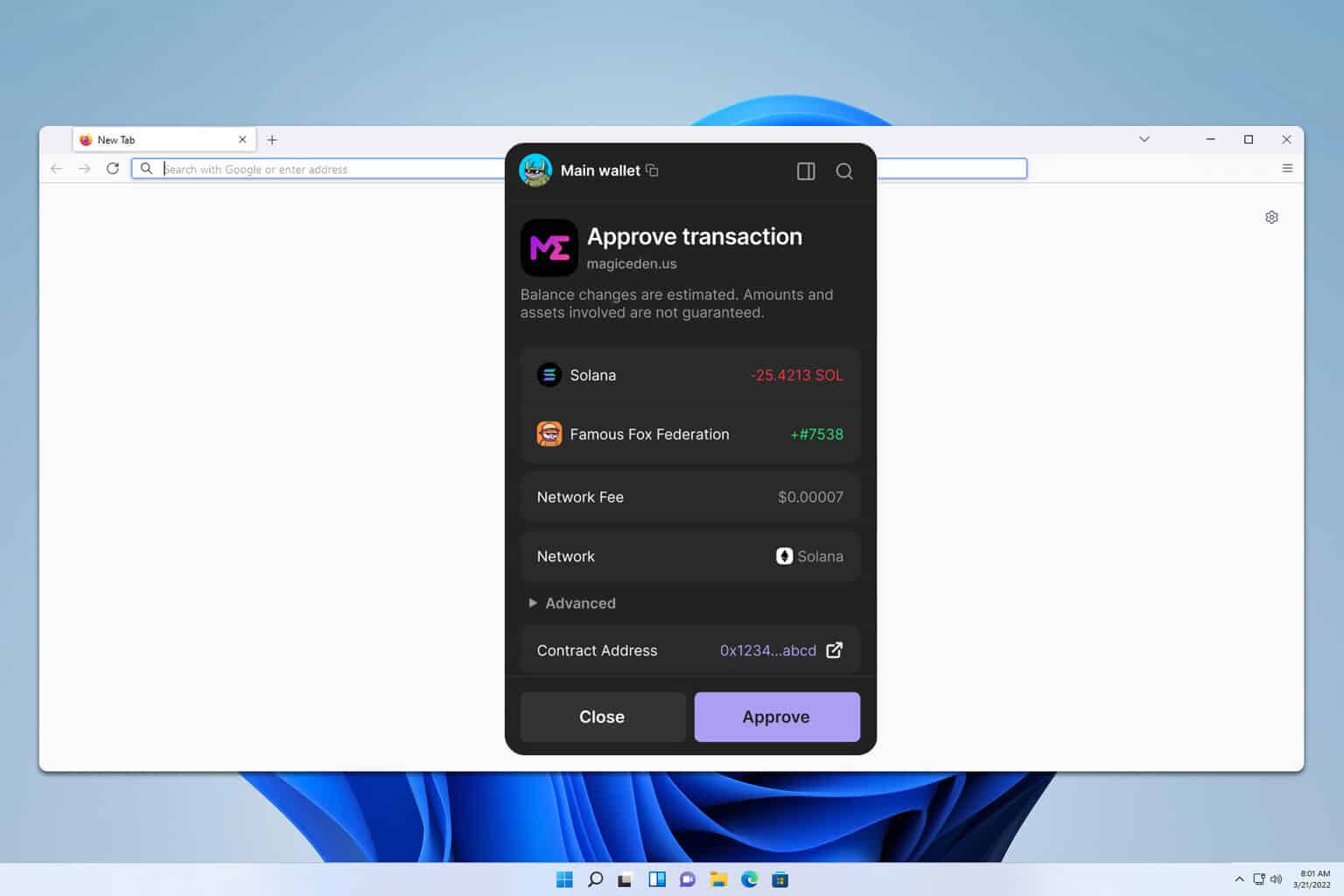
Choosing a Solana Wallet Extension
Wow!
Pick convenience or pick maximal security—rarely both at once. Most people want both; I get it, I’m biased too. If you care about NFTs and fast swaps, an extension that gives a slick UI and curated token lists will feel magical. Though actually, if you’re moving large sums, consider pairing the extension with a hardware wallet or at least keeping most funds cold.
Hmm…
Phantom is the most widely used Solana browser extension because it balances usability and solid security defaults. Its key features—simple onboarding, NFT gallery, integrated swaps—are meaningful for everyday users who value time and a clean interface. That said, you should always verify you installed the official extension; scammers make near-identical clones. For a safe install, I often point friends to the official source, which you can find here: phantom wallet download extension. One link, one trusted path—don’t get distracted by other search results.
Seriously?
Yes. Look for these checklist items before you hit “add to browser.” Check the publisher name, read the small print, and confirm reviews and download counts where available. Also examine the permissions the extension requests; a wallet shouldn’t need sweeping file permissions, for instance. If any step feels weird, pause and research—your gut is often right when something feels off.
Security Habits That Actually Help
Whoa!
Write down your seed phrase on paper. Store it in two secure places. Don’t screenshot it—photos leak. These are medium-length rules but they save you from big headaches.
Here’s what bugs me about the community: people treat a seed phrase like a password, but it’s passport-level access. On one hand, we celebrate censorship resistance and self-custody, which is great; on the other hand, that freedom comes with responsibility that many users underestimate. I’m not 100% sure everyone internalizes this, and honestly that scares me because recovering funds after a lost phrase is practically impossible.
Hmm…
Use a hardware wallet whenever possible for larger holdings, and use the extension for day-to-day interactions. If you pair Phantom with a hardware key, transactions require physical confirmation on the device, which dramatically reduces remote attack risks. Also, enable biometric unlock or password lock inside the extension to limit casual access on shared machines. But remember—security is layered and nothing is infallible, though good practices tilt the odds in your favor.
NFTs, Royalties, and Gasless Perks
Whoa!
NFTs on Solana are fast and cheap, which is a big draw. The wallet UI that shows your collection matters. Some extensions show metadata inconsistently, so your rarities or whitelabel art might not appear right away.
On the UX side, Phantom’s gallery makes curation easy, which is why collectors tend to prefer it. Transactions to list, buy, or transfer NFTs are typically one-click actions, though the dApp you’re interacting with might add complexity. Remember that signing a message or transaction can sometimes give a program permission to move tokens—pay attention to the exact approval scope, because some approvals are open-ended and could be exploited long after you clicked accept.
Hmm… I’m biased, but
this part bugs me: royalties and marketplace behavior vary. If you care about creators, check whether a marketplace enforces royalties or allows creators to be bypassed, because that impacts the ecosystem. Also, double-check whether a contract mandates one-time approvals that could later permit sweeping transfers; if so, revoke unnecessary allowances via trusted tools. It takes a few clicks but it’s worth it—very very important.
Day-to-Day Tips for Smooth Use
Really?
Yes, little habits compound. Use a dedicated browser profile for crypto, for example. Keep your extension and browser updated.
Here are practical moves I use daily: label accounts clearly, send a tiny test transaction before large transfers, and keep an eye on your activity log. If you plan to interact with unknown smart contracts, sandbox first with a small amount and consider using a throwaway wallet to gauge risk. On my laptop I have a “cold” wallet with most assets and a “hot” extension wallet for weekend NFT drops—works well.
Hmm…
Also, watch out for RPC endpoints. If a dApp suggests switching your node, understand why; some RPCs log requests and could be used to correlate activity across sessions. Prefer reputable public nodes, or run your own if you care about privacy. It’s a nerdy step, sure, but privacy leaks add up over time.
FAQ
Can I recover my wallet if I lose my seed phrase?
Nope. Seed phrases are the sole recovery mechanism for most non-custodial wallets. If you lose it and you didn’t back it up elsewhere, recovery is nearly impossible. That’s why I say: backup twice, and keep one backup off-site in a safe place—like a safety deposit box or a waterproof safe.
Is an extension wallet safe for NFTs and small trades?
For small trades and casual NFT browsing, a reputable extension is generally fine. But keep limits in mind: use tiny test transactions for unfamiliar dApps, and don’t store life-changing sums in a browser-accessible wallet. If you plan to flip high-value NFTs frequently, combine the extension with hardware checks where possible.
How do I spot a fake wallet extension?
Check the publisher, verify the download link from an official source, read the extension permissions, and cross-check web searches for scam reports. If the install prompt seems overly intrusive or asks for unusual permissions, don’t proceed. And again—one official link is better than ten search results that look similar.
Leave a Reply